 ScrollBeat

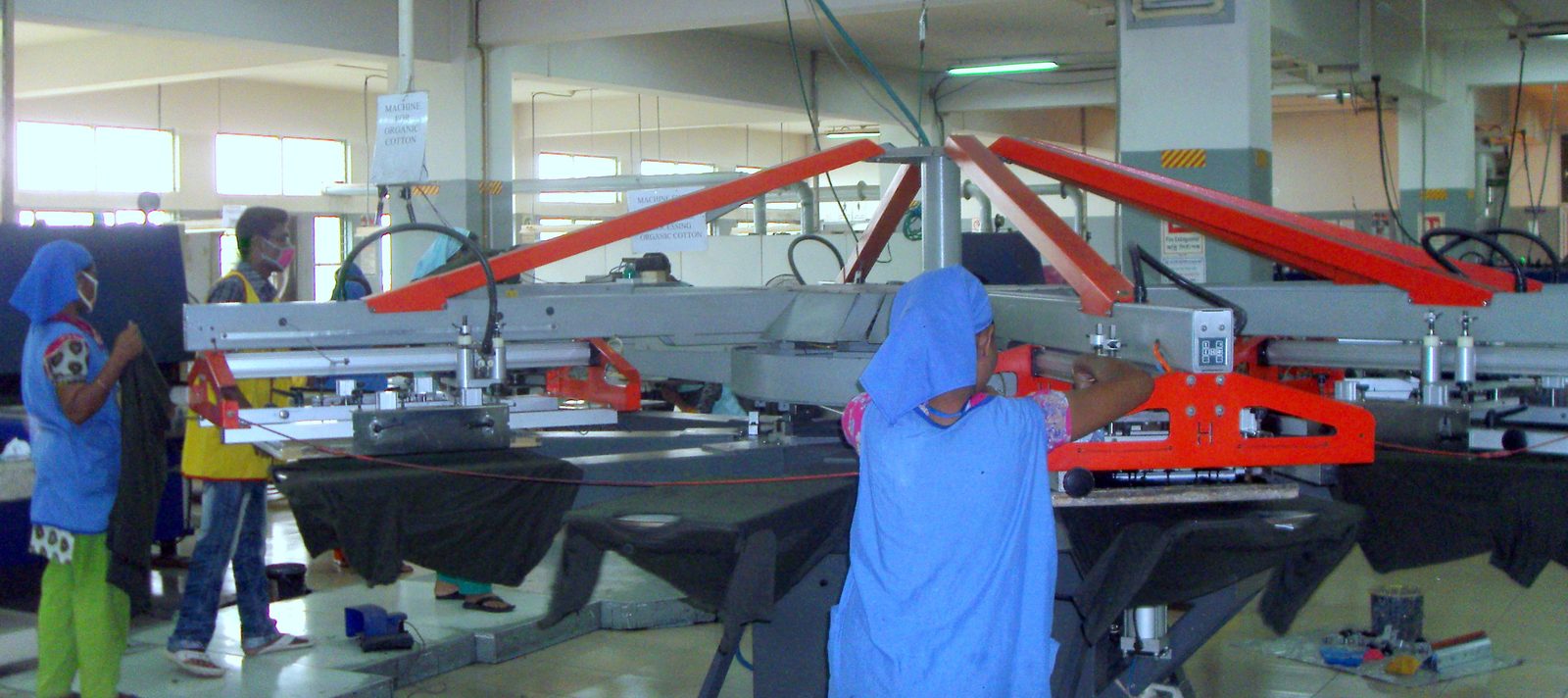
Bangladesh’s garment wage board will hold its postponed third meeting on 23 November, with employers expected to submit their proposed minimum monthly wage. The announcement sets a new date for negotiations as workers continue protesting over pay and factory closures.
Dhaka Tribune reported that a board notice issued on Tuesday, 17 November, confirmed the meeting. AFP, in a separate report published by Dawn, also confirmed the date and reported fresh clashes between garment workers and police on Tuesday. No agreed new minimum wage has been announced in those reports.
The workers’ representatives submitted a proposal for a Tk32,000 minimum monthly wage at the board’s second meeting on 9 November, according to Dhaka Tribune. Employers did not present a figure then. They asked for seven working days to prepare their offer, but the board allowed four working days.
The third meeting was initially scheduled for Monday, 16 November. It was postponed at short notice after workers’ representative Md Anwar Hossain became ill, Dhaka Tribune reported. AFP separately quoted a source in the Bangladesh Garment Manufacturers and Exporters Association confirming that a workers’ representative’s illness caused the postponement.
The distinction between a negotiating proposal and a final wage matters. The Tk32,000 figure is the proposal submitted by workers’ representatives, rather than an approved rate. AFP reported that workers taking part in street protests were demanding Tk30,000, against a current minimum of Tk12,500. The two amounts describe different demands and should not be treated as an agreed position across the workforce.
For workers, the talks concern household expenses as well as the future of production. AFP reported that protesters cited rising food, housing, transport and healthcare costs. One worker interviewed by the agency expressed concern that the wage board might not adequately reflect workers’ demands. Another said workers wanted to return to their machines.
Employers’ organisations have also called for negotiations to restart. In a joint statement reported by AFP, the Bangladesh Garment Manufacturers and Exporters Association and the Bangladesh Knitwear Manufacturers and Exporters Association urged an early resumption of wage discussions. Their proposed wage figure was not disclosed in the reports reviewed.
The delay comes amid disruption in industrial areas. AFP reported that police used tear gas and stun grenades during Tuesday’s protests, while protesters blocked the Dhaka–Mymensingh highway. It also reported brick throwing and vehicles being set alight. Border Guard Bangladesh said it had increased patrols and was monitoring the situation. These reports do not establish a comprehensive account of responsibility for each incident.
Factory suspensions add another concern for workers. Both Dhaka Tribune and AFP described the use of Section 13(1) of the labour law, under which disruptions can lead to closures on a no-work, no-pay basis. The reports give different snapshots of factory shutdowns, so there is no single verified current total presented here.
The government formed the wage board on 1 November, according to Dhaka Tribune. There is uncertainty about implementation: the newspaper said the board’s first meeting envisaged a new structure from December, while AFP reported an announcement in December and implementation in January. A definitive implementation date therefore remains unresolved in the available reporting.
The next concrete step is the employers’ submission on 23 November. Workers will then be able to compare that offer with the representatives’ proposal. Until negotiations produce a confirmed decision, neither a new wage amount nor a settled timetable for its introduction can be presented as final.