

ScrollBeat
A little more context.A clearer view.
About ScrollBeat
THE SCROLLBEAT BRIEFING

Bangladesh, the wider world, and the stories connecting them.

Advertising
IN THE NEWS
Garment wage talks resume on 23 November as workers await employers’ offerBangladesh projects become eligible for US development financingBangladesh Bank warns exporters to verify payment changes amid cyber-fraud risksChina confirms first summit with US and Russian presidents in Shenzhen

Culture & Society

Keep reading

Two stray dogs bite 27 people in two days in Cumilla's Barura

The upazila health complex treated 13 patients on Wednesday night and 14 more on Thursday morning, its acting resident medical officer said. Officials have not said whether the dogs were rabid or whether they have been caught.
ScrollBeat DeskOpen this article
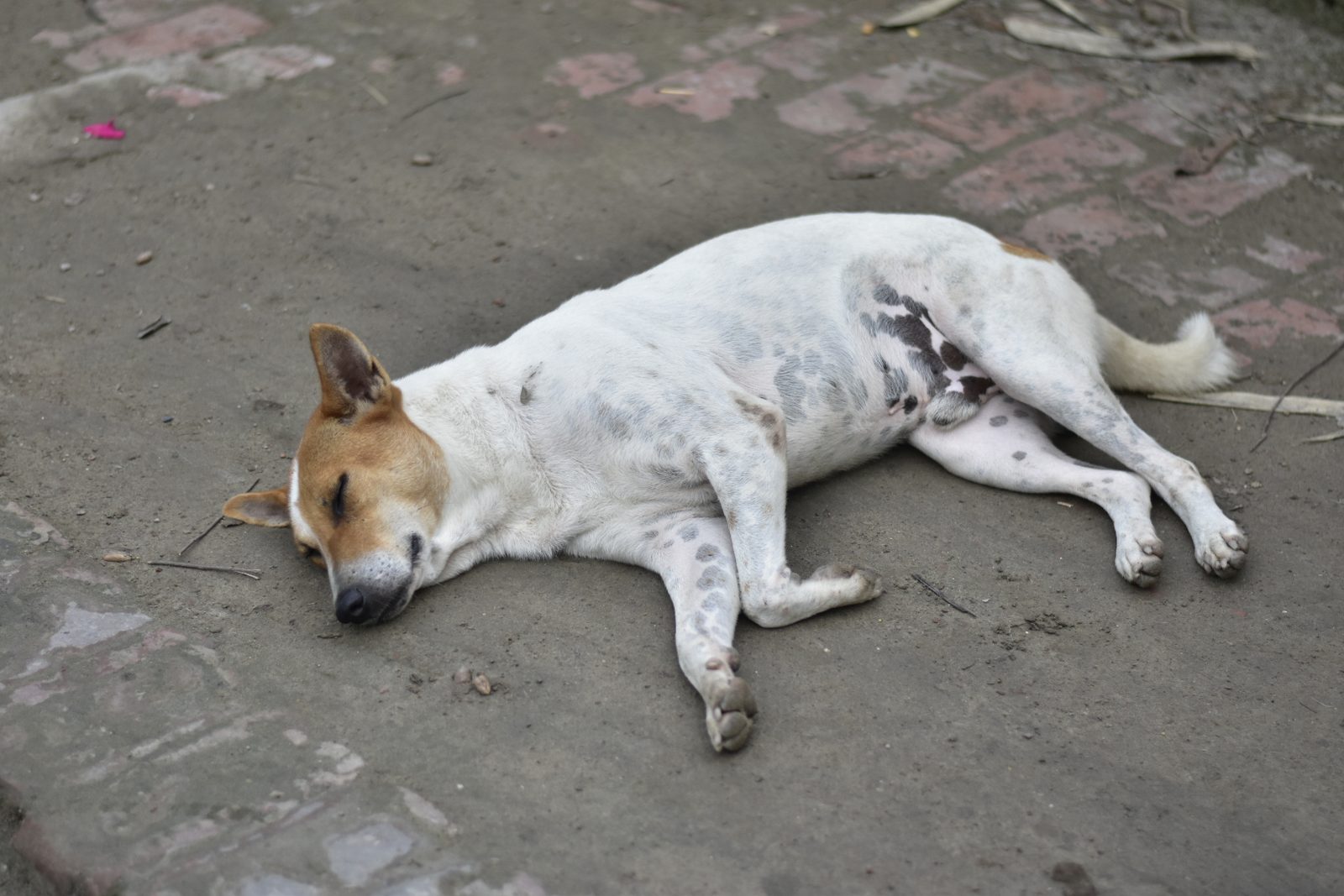
A stray dog rests on a paved street in Dhaka in this file photo. Health officials say stray-dog bites and rabies cases have risen across Bangladesh.
A stray dog rests on a paved street in Dhaka in this file photo. Health officials say stray-dog bites and rabies cases have risen across Bangladesh. Fabian Roudra Baroi / Wikimedia Commons, CC BY-SA 4.0

Two dogs bit 27 people in two days in Barura municipality in Cumilla district, the upazila health complex said, in an episode that has renewed concern about stray dogs and rabies across Bangladesh.

The attacks began at about 9pm on Wednesday in Noyontola, Pathanpara and Dewatli, three neighbourhoods of the municipality. Thirteen people were treated at Barura Upazila Health Complex between 10pm and 11:30pm. Fourteen more came in between 9am and noon on Thursday, after the dogs moved through the same areas again.

Dr Mujahidul Islam, the health complex's acting resident medical officer, confirmed the two-day count and the timing of the two waves. He said he had been told the injuries were caused by two rabid dogs. The hospital did not say whether any patient was referred to Cumilla Medical College Hospital or whether anyone was admitted.

A second official gave a slightly different account earlier in the day. Dr Reza Sarwar, the upazila health and family planning officer, said 22 to 25 injured people reached the hospital within about two hours on Thursday morning. If the bites came from rabid dogs, he said, the injuries could put lives at risk. He added that it was not clear why so many people had been bitten in such a short time and that the matter needed investigation. He said he would write to the local administration asking it to act.

Residents of the three areas said they were worried about children and older people, bd24live reported. The health complex is the first stop for bite patients in the upazila. Officials did not say on Thursday whether the facility had enough anti-rabies vaccine for the people treated, or how many had started the full course of shots.

Rabies is the immediate concern after any dog bite. The disease is almost always fatal once symptoms appear, which is why doctors treat exposure as an emergency rather than waiting for signs of illness. Bangladesh has recorded a rising number of animal-bite patients at its main referral hospital in Dhaka: 94,380 in 2023, 122,263 in 2024 and 146,243 in 2025, according to figures from the Infectious Diseases Hospital. Rabies deaths rose from 42 in 2023 to 58 in 2024 and 59 in 2025, with 19 recorded in the first two and a half months of 2026, the hospital's data shows.

The increase has coincided with the weakening of the national programme meant to suppress it. A coordinated effort begun in 2010 combined dog vaccination, birth control, public awareness and prompt treatment for bite victims, and the Directorate General of Health Services says nearly 2.9 million dogs were vaccinated across more than 60 districts. Officials involved in disease control say the programme has effectively stopped since the political change of 2024, with no funding for new vaccination or sterilisation rounds.

"We are preparing a new plan to prevent rabies. However, under this plan, only humans will be vaccinated," said Professor Md Halimur Rashid, director of the disease control division at the DGHS. "At this moment, there is no plan to vaccinate dogs or to control the dog population." In Dhaka, the south city corporation sterilised about 150 dogs in roughly 20 months, against more than 500 a year before 2024, its veterinary officer said.

Barura is not an isolated case. On 11 October, a stray dog bit 28 people over about three hours in three villages of Mithapukur upazila in Rangpur. All were treated and given anti-rabies vaccine at the upazila health complex, and one was referred to Rangpur Medical College Hospital, according to the complex's resident medical officer. The World Health Organization says an area can be freed of dog-mediated rabies if at least 70 per cent of its dogs are vaccinated for three consecutive years.

For Barura, several things remain unknown. No official has said whether the two dogs were tested for rabies, whether they have been caught or removed, or how the municipality plans to deal with the stray population in the three neighbourhoods. The upazila administration has not said when it will act on the health officer's request.

What happens next will be watched closely in a district where the health complex, rather than a veterinary team, ends up treating the consequences. Rabies can be prevented if exposed people receive post-exposure treatment promptly, health officials say. The practical questions for Barura are whether the dogs are found before they bite again, and whether the people already bitten complete their course of vaccine.
Sources & further readingকুমিল্লায় পাগলা কুকুরের কামড়ে দুই ঘণ্টায় হাসপাতালে ২৫ জনকুমিল্লায় পাগলা কুকুরের কামড়ে ২৭ জন আহতRabies cases rising, but dog vaccination remains haltedDog attack leaves 28 injured in Rangpur's Mithapukur

Police rescue Chattogram businessman Mohammad Ehsan from Teknaf Rohingya camp

Six suspects, including a former army member police name as the gang leader, were arrested after Ehsan was freed from Camp 25 in Leda on 21 October. Police say the kidnappers posed as SRB officers and demanded Tk 20 lakh in ransom.

ScrollBeat DeskOpen this article
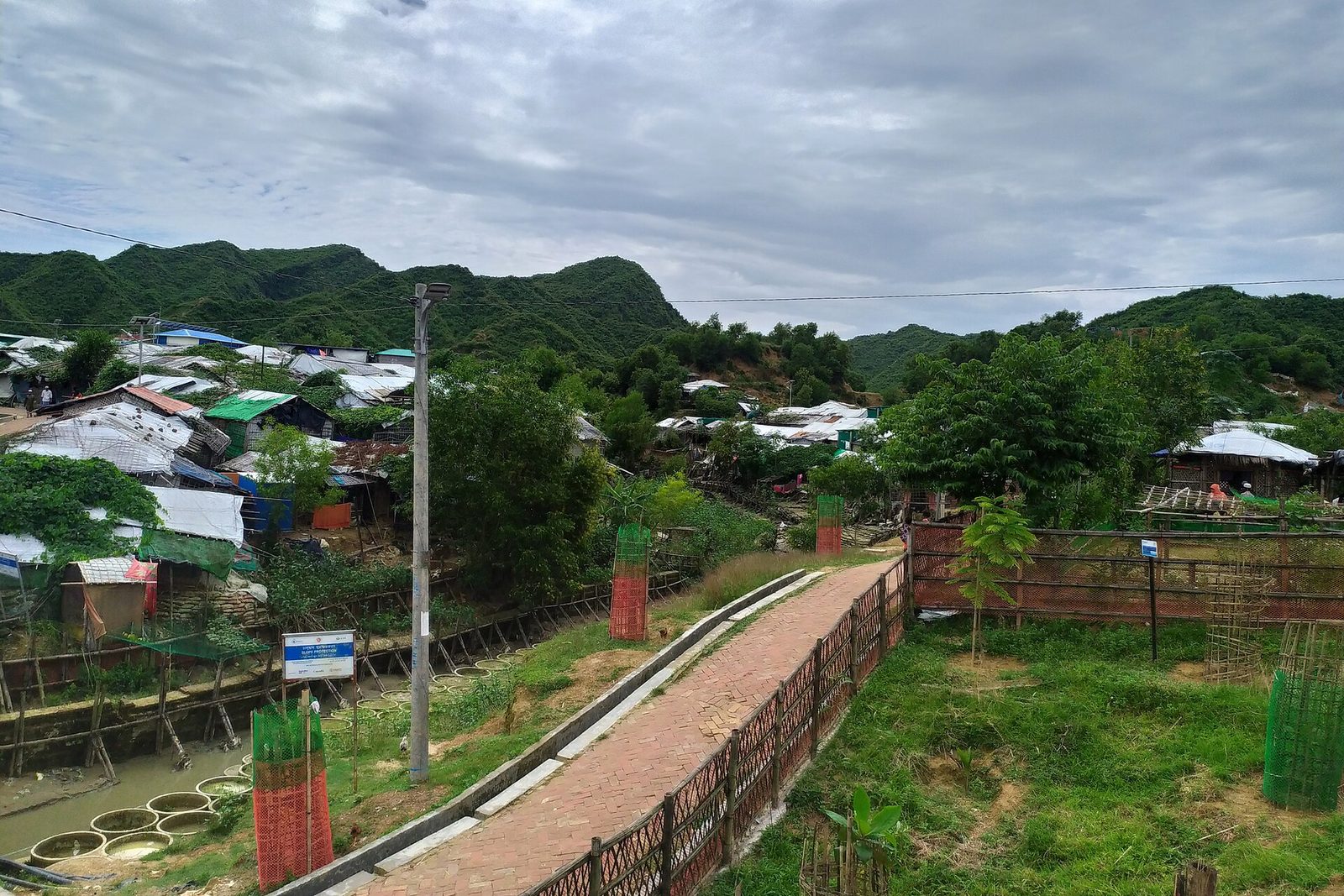
Rohingya refugee Camp 26 in Teknaf, Cox's Bazar, photographed in September 2020. Police say a Chattogram businessman was held at Camp 25 in Leda, Teknaf, and rescued on 21 October 2026. File photo.
Rohingya refugee Camp 26 in Teknaf, Cox's Bazar, photographed in September 2020. Police say a Chattogram businessman was held at Camp 25 in Leda, Teknaf, and rescued on 21 October 2026. File photo. Masum-al-Hasan Rocky / Wikimedia Commons (CC BY-SA 4.0)

Police in Chattogram have rescued a hardware trader who was abducted from his shop in Banshkhali upazila and held for four days near a Rohingya refugee camp in Teknaf, Cox's Bazar, after his family was told to pay Tk 20 lakh in ransom.

Mohammad Ehsan, also known as Hasan, was taken from Messrs Abdullah Enterprise at Prembazar in Puichhari union at about 8:30pm on 17 October and freed at about 4am on 21 October, according to accounts given by the Chattogram police chief and by Ehsan himself at a press conference on Thursday.

Chattogram Superintendent of Police Md Masud Alam said four men entered the shop wearing black vests marked "SRB", caps and face masks. They told Ehsan that a case had been filed against him and that he had to go with them, the SP said. He was handcuffed and driven away in a CNG-run auto-rickshaw.

The Special Response Battalion, or SRB, is a police unit. Police say the men were not SRB officers but members of a criminal gang that used the unit's name and fake identity cards to frighten their target.

About two hours after the abduction, Ehsan's wife and the shop manager began receiving calls from numbers police later found to be internet-based, or VoIP, lines. The callers demanded Tk 20 lakh and said Ehsan would be killed if the money was not paid, according to the SP. The use of VoIP numbers made it difficult to trace where the calls were coming from.

Investigators turned to footage from several closed-circuit television cameras along the road from Banshkhali towards Cox's Bazar, along with local information and intelligence work, the SP said. Six suspects were arrested in raids in different parts of Cox's Bazar on 20 October, the day before the rescue.

Police named the alleged leader as Sumon Munshi of Kashiani in Gopalganj. According to the SP, Munshi had served with the army and was posted with the Rapid Action Battalion in Ukhiya before his dismissal in 2021 over allegations of criminal involvement. He later met other people involved in crime in prison and formed a gang, the SP said, adding that 13 cases had been filed against him.

The other five arrested are Mizanur Rahman of Kutubdia, Zainal Uddin alias Junu of Ukhiya, Mohammad Abbas Uddin of Banshkhali, Md Salim, also known as Selim, of Rohingya Camp 26 in Teknaf, and Delwar Hossain of Cox's Bazar Sadar. Police said Abbas Uddin and Delwar Hossain identified possible victims and passed on information about them, while Salim helped coordinate with people inside the camp.

Acting on information from the suspects, police went to an area near Rohingya Camp 25 in Leda, Teknaf, and brought Ehsan out, the SP said. Officers used the detained men to telephone the captors, telling them that the ransom had been received and that they wanted to hand Ehsan back at the camp gate. He was then put into a police microbus, his eyes still covered, according to the account.

Police seized a private car said to have been used in the abduction, five black vests bearing the letters "SRB", two fake SRB identity cards and a pair of handcuffs.

At the press conference, Ehsan described being blindfolded, with his hands tied and his legs chained, and said he was beaten during his time in captivity. He said he was moved between locations, including in a CNG-run auto-rickshaw, and was given food only once during the four days, a claim for which there is no independent confirmation.

The SP described operations by outsiders inside the Rohingya camps as risky. The reports did not say whether camp authorities or the Armed Police Battalion, which guards the camps, took part in the rescue.

Several important questions remain unanswered. Police have not said whether any ransom money was paid, whether they have recovered the original ransom calls, or whether the gang had held other people in the same way. They have also not said whether all members of the group have been arrested or whether more suspects are being sought.

No case number or specific charges were announced at the press conference, and the reports did not say when the arrested men will be produced in court or whether police will seek remand for questioning. None of the suspects, or lawyers representing them, has publicly responded to the allegations.

The case also draws attention to the reach of kidnapping gangs operating between Chattogram and the Cox's Bazar coast. Police described Munshi's group as involved in abduction, robbery and other crimes in Cox's Bazar, Ukhiya, Teknaf, Kutubdia, Chakaria, Bandarban and several parts of Chattogram.

For Ehsan's family and for other traders in Banshkhali, the immediate question is whether the arrests will lead to charges and a trial. For the police, the next step is to establish how the gang moved a captive into a refugee camp, who inside the camp helped hold him, and whether the same network was behind earlier cases. The SP said everyone involved would be brought to justice, but the investigation is still at an early stage.

Police have not released the case number or the exact charges, and the reports did not say whether the suspects had been placed on remand. The next public development is likely to be their production in court and any police request for time to question them further.

Sources & further readingChattogram businessman abducted by men posing as SRB members rescued from Teknaf Rohingya camp, police say — The Daily StarEx-army personnel led gang that kidnapped Ctg businessman, held him near Rohingya camp in Teknaf for 4 days: Police — The Business Standard