

ScrollBeat
A little more context.A clearer view.
About ScrollBeat
THE SCROLLBEAT BRIEFING

Bangladesh, the wider world, and the stories connecting them.

Advertising
IN THE NEWS
Garment wage talks resume on 23 November as workers await employers’ offerBangladesh projects become eligible for US development financingBangladesh Bank warns exporters to verify payment changes amid cyber-fraud risksChina confirms first summit with US and Russian presidents in Shenzhen

Explainers

Keep reading

NEXT STORY Explainers

WhatsApp now lets people outside the app join calls by link

Meta says guests can join one-to-one or group calls from a browser after the host approves them. The calls are free, encrypted and have no time limit.

ScrollBeat DeskOpen this article
The WhatsApp icon on a smartphone screen, in an illustration photographed in 2020. Meta announced on 14 October 2026 that people without a WhatsApp account can join calls through a link.
The WhatsApp icon on a smartphone screen, in an illustration photographed in 2020. Meta announced on 14 October 2026 that people without a WhatsApp account can join calls through a link. Yuri Samoilov / Wikimedia Commons, CC BY 2.0

WhatsApp has started letting people who do not have an account join voice and video calls, removing one of the app's oldest barriers and making it easier for families, tutors and small businesses to bring outsiders into a conversation.

Meta announced the guest-calling feature on 14 October. A WhatsApp user opens the Calls tab, taps the plus icon, creates a call link and sends it to the people they want to invite. A guest opens the link in a computer browser, types a name and waits in a virtual waiting room until the host admits them. The feature works for one-to-one and group calls, with up to 32 participants.

Meta says guest calls are free, end-to-end encrypted and have no time limits. Guests can share their screen, send reactions and raise a hand to signal that they want to speak. There are limits: guests cannot see other participants' phone numbers, send messages through WhatsApp or add anyone else to the call. The host can remove a guest at any time, and only people with a WhatsApp account can create a call link.

"Today we're making WhatsApp calling more open than ever," Meta said in its announcement, describing the change as "free, end-to-end encrypted calls for everyone with no time limits." The company said the waiting room and host approval are meant to keep control of the call with the person who created it.

The update follows WhatsApp's addition of calling on the web earlier this year and is part of a broader effort to keep the service at the centre of everyday communication. Meta also plans to add calendar integrations later this year, so users can create a WhatsApp call link from a Google Calendar or Microsoft Outlook invitation after installing a plugin and connecting their account. Invitees would be able to join with or without a WhatsApp account.

For Bangladeshi users, the appeal is practical. WhatsApp is already the default place for many family calls, tutoring sessions, job conversations and small-business dealings. A guest link means a student can join a class from a laptop without installing the app, a trader can bring a client into a call, or a family can include a relative who uses a computer but has never signed up. The guest still needs an internet connection, and video calls use mobile data or Wi-Fi like any other call.

The feature also brings WhatsApp closer to video-conferencing services such as Zoom, Google Meet and FaceTime, which have long allowed people to join through a link. WhatsApp's version keeps the host in charge: guests wait outside until admitted, and the host can cut them off. That matters because call links can be forwarded. Users who share a link publicly could find strangers asking to join, although they would still need the host's approval.

Several details are still unclear. Meta has not said when the feature will reach every user in Bangladesh or whether guests will be able to join from a phone browser as well as a computer. The company has also not published guidance on how much data a guest call uses, which matters for users on limited mobile packages. Reports describe the guest joining from a browser, while the account holder needs the app.

For now, users who see the option can create a link from the Calls tab and share it with the people they want on the call. Guests need a browser, a name and the host's approval. The change does not remove the need for an internet connection, but it does remove the need to download an app or create an account before saying hello.
Sources & further readingThe Daily Star: WhatsApp lets people join calls without an accountThe Verge: Now you can call anyone with WhatsApp, even if they don't have WhatsAppMeta Newsroom: Now You Can Invite Anyone to a WhatsApp Call
NEXT STORY Business

Garment wage talks resume on 23 November as workers await employers’ offer

Workers’ representatives have proposed Tk32,000 a month. Employers are due to table their figure after a postponed meeting, while protests continue in industrial areas.

ScrollBeat DeskOpen this article
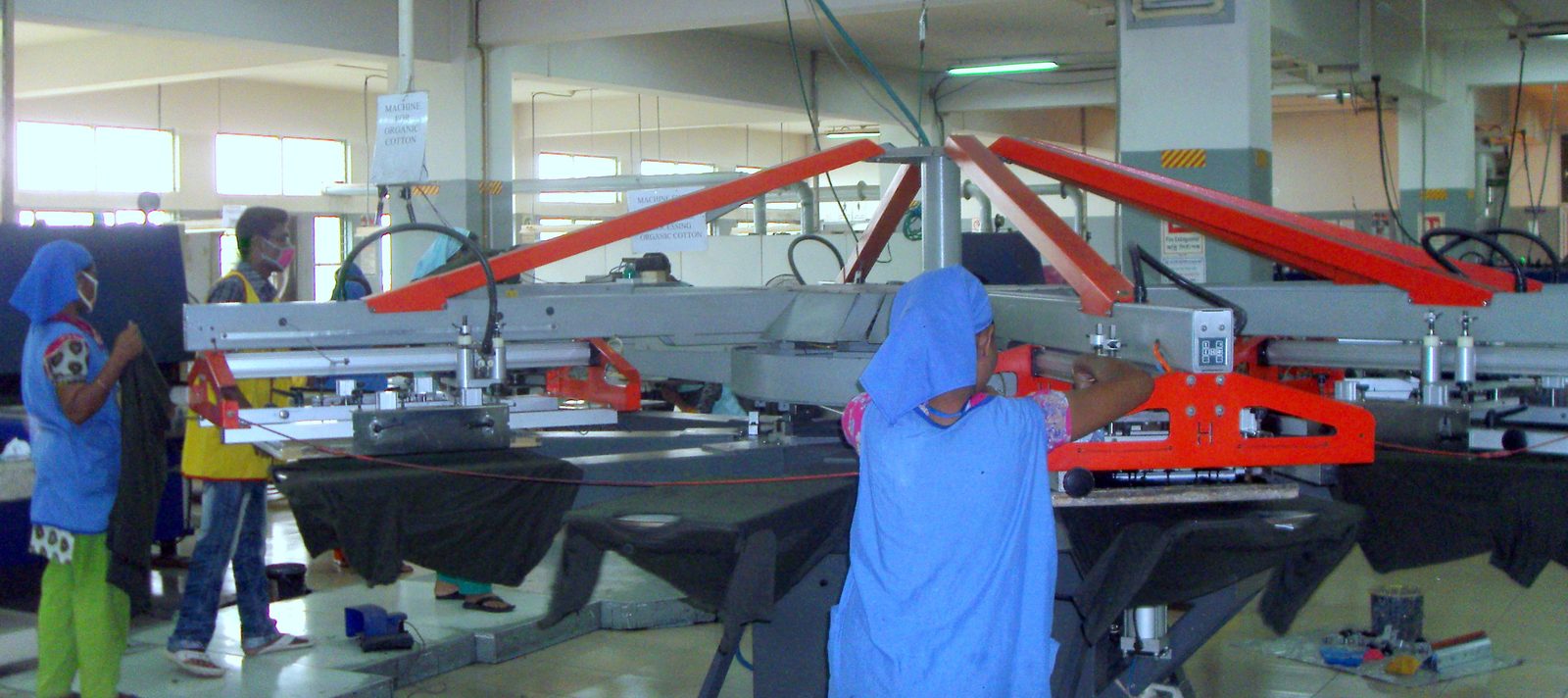
File photo: An octopus printing machine in a Bangladesh garment factory, photographed in April 2012. This contextual image does not show the wage-board meeting or November 2026 protests. Photograph unchanged.
File photo: An octopus printing machine in a Bangladesh garment factory, photographed in April 2012. This contextual image does not show the wage-board meeting or November 2026 protests. Photograph unchanged. Fahad Faisal / Wikimedia Commons / CC BY-SA 4.0

Bangladesh’s garment wage board will hold its postponed third meeting on 23 November, with employers expected to submit their proposed minimum monthly wage. The announcement sets a new date for negotiations as workers continue protesting over pay and factory closures.

Dhaka Tribune reported that a board notice issued on Tuesday, 17 November, confirmed the meeting. AFP, in a separate report published by Dawn, also confirmed the date and reported fresh clashes between garment workers and police on Tuesday. No agreed new minimum wage has been announced in those reports.

The workers’ representatives submitted a proposal for a Tk32,000 minimum monthly wage at the board’s second meeting on 9 November, according to Dhaka Tribune. Employers did not present a figure then. They asked for seven working days to prepare their offer, but the board allowed four working days.

The third meeting was initially scheduled for Monday, 16 November. It was postponed at short notice after workers’ representative Md Anwar Hossain became ill, Dhaka Tribune reported. AFP separately quoted a source in the Bangladesh Garment Manufacturers and Exporters Association confirming that a workers’ representative’s illness caused the postponement.

The distinction between a negotiating proposal and a final wage matters. The Tk32,000 figure is the proposal submitted by workers’ representatives, rather than an approved rate. AFP reported that workers taking part in street protests were demanding Tk30,000, against a current minimum of Tk12,500. The two amounts describe different demands and should not be treated as an agreed position across the workforce.

For workers, the talks concern household expenses as well as the future of production. AFP reported that protesters cited rising food, housing, transport and healthcare costs. One worker interviewed by the agency expressed concern that the wage board might not adequately reflect workers’ demands. Another said workers wanted to return to their machines.

Employers’ organisations have also called for negotiations to restart. In a joint statement reported by AFP, the Bangladesh Garment Manufacturers and Exporters Association and the Bangladesh Knitwear Manufacturers and Exporters Association urged an early resumption of wage discussions. Their proposed wage figure was not disclosed in the reports reviewed.

The delay comes amid disruption in industrial areas. AFP reported that police used tear gas and stun grenades during Tuesday’s protests, while protesters blocked the Dhaka–Mymensingh highway. It also reported brick throwing and vehicles being set alight. Border Guard Bangladesh said it had increased patrols and was monitoring the situation. These reports do not establish a comprehensive account of responsibility for each incident.

Factory suspensions add another concern for workers. Both Dhaka Tribune and AFP described the use of Section 13(1) of the labour law, under which disruptions can lead to closures on a no-work, no-pay basis. The reports give different snapshots of factory shutdowns, so there is no single verified current total presented here.

The government formed the wage board on 1 November, according to Dhaka Tribune. There is uncertainty about implementation: the newspaper said the board’s first meeting envisaged a new structure from December, while AFP reported an announcement in December and implementation in January. A definitive implementation date therefore remains unresolved in the available reporting.

The next concrete step is the employers’ submission on 23 November. Workers will then be able to compare that offer with the representatives’ proposal. Until negotiations produce a confirmed decision, neither a new wage amount nor a settled timetable for its introduction can be presented as final.

Sources & further readingDhaka Tribune: Postponed RMG wage board meeting rescheduled for Nov 23Dawn / AFP: Bangladesh garment workers, police clash in fresh wage protest