 ScrollBeat

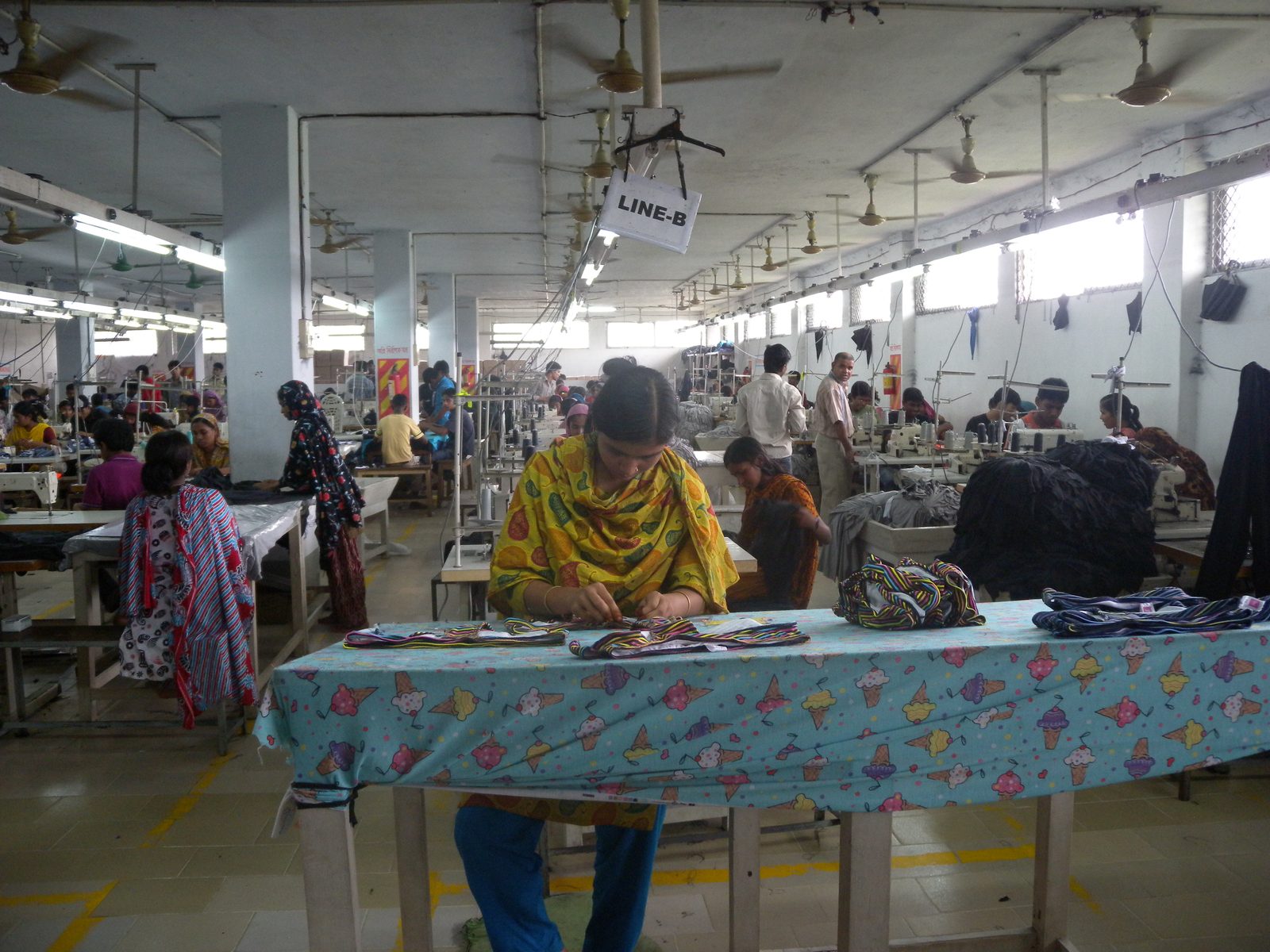
Workers’ representatives have proposed a Tk32,000 minimum monthly wage for Bangladesh’s garment industry, submitting a detailed pay structure to the wage board while employers seek more time to prepare their own offer.
The proposal was presented at the board’s second meeting in Dhaka’s Segunbagicha on Monday, 9 November. Separate reports by Bangla Tribune and Prothom Alo confirm the demand. It remains a negotiating position: no final rate or approved increase was announced.
The present minimum is Tk12,500 under the structure that took effect in December 2023, Bangla Tribune reported. The requested minimum would be Tk19,500 higher. For workers following the negotiations, the distinction between a submitted demand and an agreed wage matters: Monday’s proposal does not itself change their pay.
Bangla Tribune reported that the submission divides workers into four grades. Helpers and assistants in the lowest grade would receive Tk32,000, junior operators and other workers in the next grade Tk38,000, and the second grade Tk43,000. Senior operators in the highest grade would receive Tk48,000.
Those figures are proposed total monthly packages, combining basic pay, housing and other allowances. For the lowest grade, the breakdown is Tk19,200 in basic pay, Tk9,600 for housing and Tk3,200 in other allowances. Apprentices would receive Tk30,000 during a proposed training period of no more than three months. A separate structure for non-worker employees proposes totals ranging from Tk40,000 to Tk55,000.
Workers’ representative Babul Akhter explained the household calculations behind the demand at a joint briefing after the meeting, Prothom Alo reported. He said a family of four needed Tk45,000–Tk60,000 monthly to meet nutrition, housing, healthcare, education and normal living expenses. That is his assessment. He said the lower Tk32,000 demand took account of the industry’s capacity and wider circumstances.
Employers did not submit the written proposal expected at the meeting. Their representative, A B M Shamsuddin, said disruption in industrial areas around Dhaka had required owners to concentrate on factory operations and they needed more preparation time, according to Prothom Alo. They requested seven working days; the board allowed four.
Board chairman Syed Azad Subhani said the wage-setting process would move ahead even if employers failed to submit their proposal at the next meeting. Board members also plan factory visits this week to hear directly about workers’ conditions and expectations, Prothom Alo reported.
The board’s neutral member, Dhaka University professor Mosleh Uddin Ahmed, was assigned to review international wage-setting indicators, with scope to consult economists and other specialists.
The immediate steps are the employers’ submission, factory visits and further consideration of the competing positions. Representatives at the briefing said they intended to finish the structure by December, make it effective that month and have workers receive increased pay in early January. That remains the stated timetable. The final minimum, grade packages and delivery of the planned payment schedule are still unresolved.