 ScrollBeat

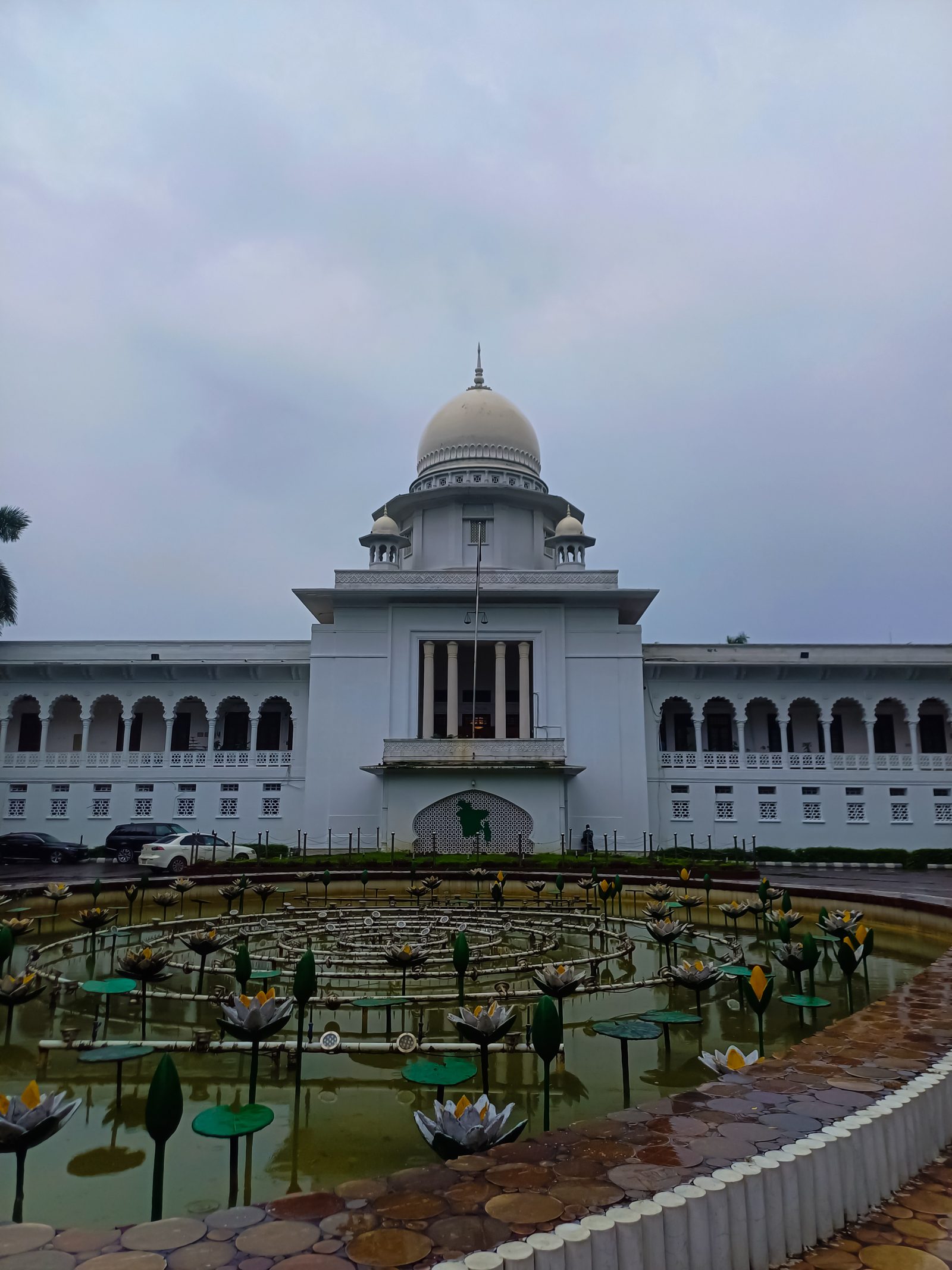
Bangladesh’s High Court has ordered the immediate release of Md Almas after a judicial inquiry found that he had spent about a year in prison in place of another man convicted in an arms case. The decision addresses a mistaken identification that linked him to a ten-year sentence imposed more than two decades ago.
The bench of Justice J B M Hassan and Justice Aziz Ahmed Bhuiyan issued the order on Sunday, 8 November. Assistant Attorney General Mohiuddin Md Hanif confirmed the decision to Bangla Tribune. Prothom Alo also reported the order, saying it was directed to the prison authorities.
The distinction between the two men is central to the case. The prisoner is Md Almas, while the convicted man’s name is written in Bangla as Md Almach. According to the inquiry findings described by both outlets, they are entirely different people. The report says the convicted man is now in Canada.
Almas’s relatives had maintained that police had arrested the wrong person. He challenged his detention through a writ petition, and on 6 September the High Court ordered an inquiry into the identities of the prisoner and the convicted man. It directed Dhaka’s chief judicial magistrate to arrange the investigation through a senior judicial magistrate.
Bangla Tribune reported that Senior Judicial Magistrate Mahfuzur Rahman conducted the inquiry and that the findings were sent to the High Court on 1 November. Those findings supported the family’s position: the man in custody was not the person sentenced in the Mirpur arms case.
Prothom Alo’s account of the inquiry describes several overlapping errors. The men’s villages fell under the same post office in Dohar, allowing addresses given by post-office name to appear similar. Their fathers’ names also partly matched. More significantly, the convicted man’s village was recorded incorrectly in the original case, and that error carried through later documents and the arrest warrant.
The original prosecution began with an arms case filed at Mirpur police station on 10 April 2002. A Dhaka special tribunal sentenced the accused man to ten years in prison on 19 June 2004, when he was absent. Prothom Alo, citing the petition and attached records, reported that police presented Almas before a court as that convicted person on 4 November 2025. He was then sent to prison.
Sunday’s ruling follows the court-ordered identity check rather than a fresh trial of the arms allegation. The inquiry’s conclusion separates Almas from the conviction; it does not overturn the sentence against the other man.
The reports reviewed did not confirm that Almas had physically left prison after the order. They also did not establish whether compensation, disciplinary proceedings or corrections to the underlying records had been ordered, and contained no detailed police explanation for the failed identification. Implementation of the release order is the immediate next step. Any further accountability measures will require separate confirmation.