 ScrollBeat

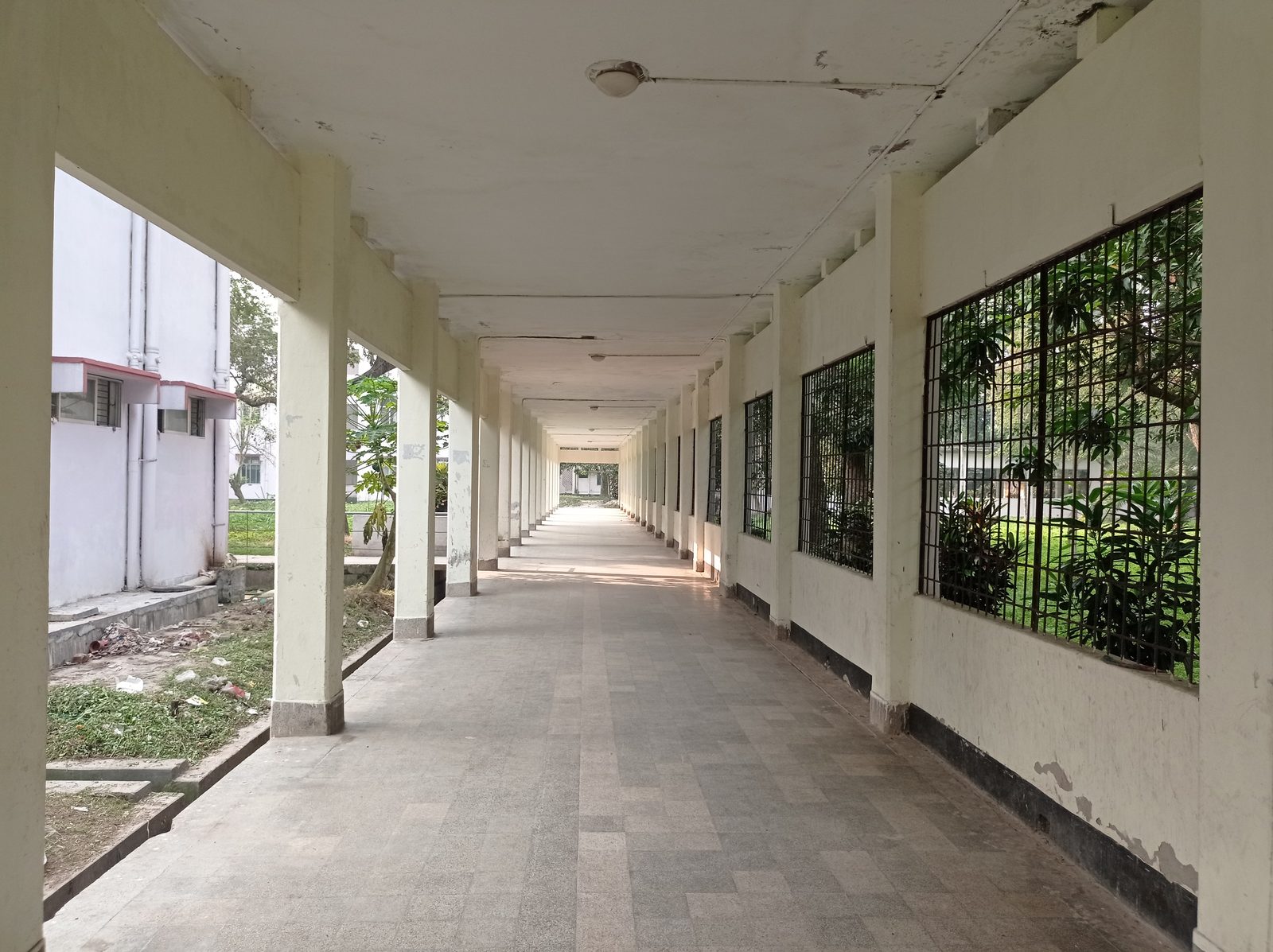
Intern doctors at Rajshahi Medical College Hospital returned to their wards on Friday morning after suspending a 30-hour work stoppage over medicine shortages, security and overcrowding. About 250 interns had stopped work at 8am on Wednesday.
Hospital spokesperson Dr Sheikh Shamim Ahmed said the interns decided to return after several rounds of talks with hospital director Brig Gen PKM Masud-ul-Islam on Thursday morning. They announced the decision at about 3pm and resumed duties on Friday.
Their five demands were adequate medicines and equipment in inpatient wards, safety for interns, no more than two attendants per patient, Ansar members present in every ward on the day of admission and the day after, and the immediate opening of the casualty department.
The notice that announced the stoppage said the wards had long faced severe shortages of essential medicines and equipment. It said unrestricted entry by visitors and patients' attendants, along with alleged negligence by Ansar personnel on duty, had left interns exposed to mob attacks and threats. Several interns said they had received death threats, and one female intern was forced to leave a ward in civilian clothes after aggressive behaviour from a patient's attendants. The closure of the observation room and the casualty department had added to the pressure, the notice said.
Patients felt the effect quickly. The Business Standard reported that several patients could not find a doctor in their wards from Wednesday afternoon, that nurses were giving what care they could, and that some patients had to buy medicines and supplies outside the hospital. It also reported complaints of poor cleanliness and said some nurses advised patients to seek treatment at private clinics. The Daily Star spoke to patients who said mid-level doctors had visited them and treatment had continued, while routine check-ups were delayed and overcrowding disrupted care.
The hospital denied that patients were left without treatment. Dr Shamim said authorities had cancelled the leave of many mid-level and senior doctors so that they could cover the wards, and that the hospital was supplying the essential medicines it had in stock.
According to the spokesperson, the hospital has contacted the Ministry of Health and Family Welfare about the medicines it cannot supply itself. It will reopen the casualty and observation wards on 1 November. A special team of Ansar members and police will monitor hospital operations, and 100 Ansar members will be posted to regular duty to improve security.
The dispute is suspended rather than fully settled. The interns' original notice warned that they would announce tougher programmes if their demands were not met, so the coming weeks will test whether the medicine supply holds and whether the security arrangements last beyond the arrival of the extra Ansar personnel. The health ministry has not issued a public statement on the hospital's requests.
It is also not clear whether anyone has been held or questioned over the threats the interns described, or whether the limit on attendants will be enforced once the immediate crisis passes.
Rajshahi Medical College Hospital is a major government referral hospital in northern Bangladesh, and its wards serve patients from several districts. A stoppage there quickly affects people who have travelled long distances for treatment, which is why the patients' accounts of missing doctors and buying medicines outside drew attention.
The action followed a similar stoppage in April, when interns at the same hospital walked out for 24 hours after they said three colleagues were harassed by patients' relatives in two wards. About 230 interns joined that protest, and it was called off after the authorities gave assurances on safety and staffing.
For now, outpatient and inpatient services are expected to run normally. The next fixed date in the dispute is 1 November, when the casualty and observation wards are due to reopen. Until then, patients and hospital staff will be watching whether the promised medicines and security arrive.