 ScrollBeat

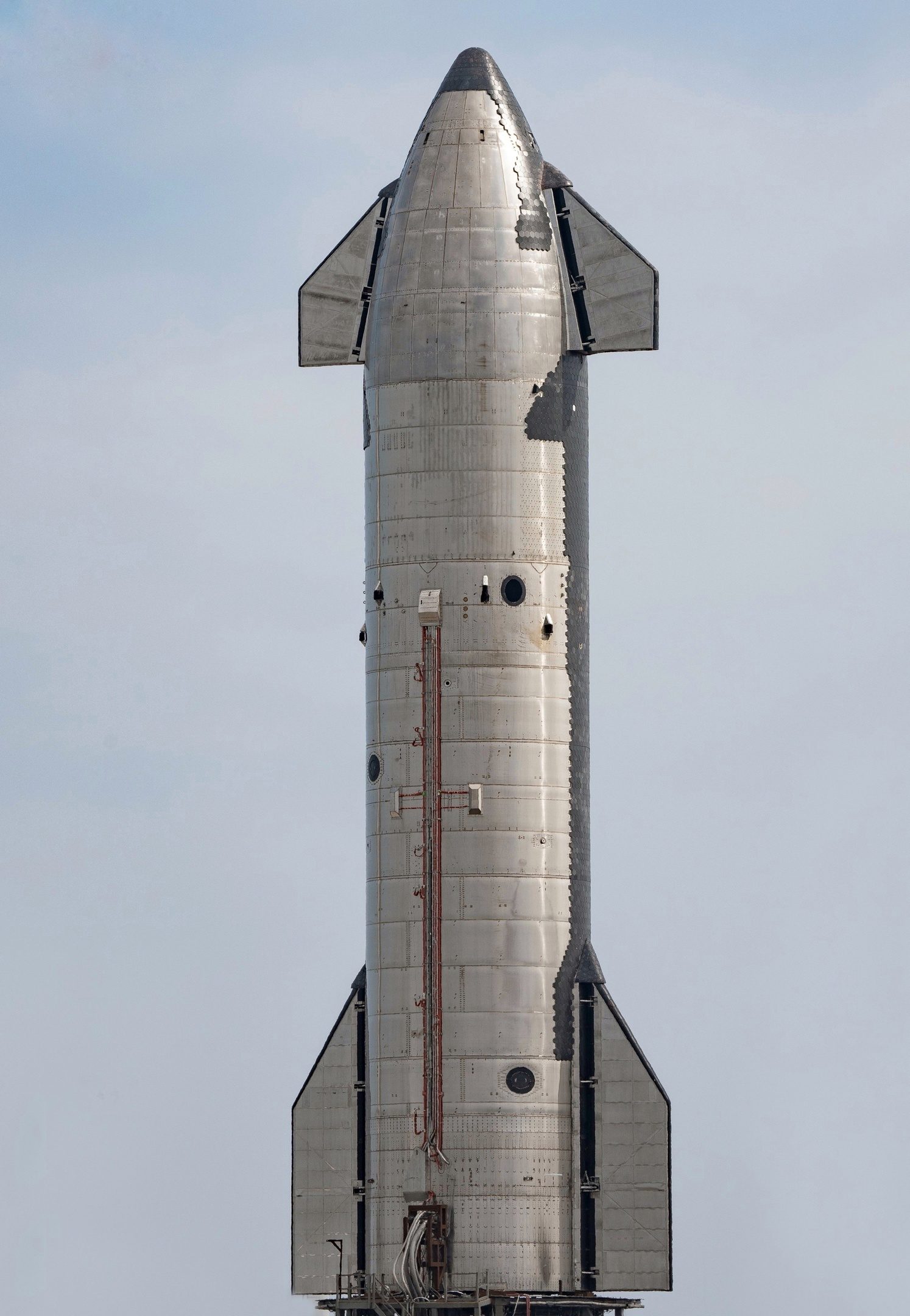
SpaceX caught its returning Starship spacecraft with mechanical arms at its Starbase launch site in Texas on Saturday, 14 November, completing a test that could help the company move towards recovering and reusing both parts of its rocket system.
The spacecraft returned about 22 hours after launch, according to separate AFP and Associated Press reports carried by Prothom Alo and Bangla Tribune. Its descent ended at the launch tower, where two large steel arms held the vehicle above the ground instead of allowing it to land in the sea.
The result came with a significant setback. The AP account said the first-stage booster exploded shortly after Friday’s launch, preventing the company from achieving its intended recovery of both the booster and spacecraft on the same mission. Saturday’s catch therefore established one capability without delivering the complete outcome SpaceX had sought.
That distinction matters because Starship has two separate roles within the wider launch system. The booster provides the power needed early in flight before separating from the upper spacecraft. Recovering a booster is a different task from bringing back a spacecraft that has travelled through space and re-entered Earth’s atmosphere.
Both reports said SpaceX had previously caught returning boosters three times. This was the first time it had caught the returning spacecraft itself. Re-entry exposes a vehicle to intense heating and places demanding requirements on its protective surface, flight control and final approach.
AFP reported that the mission completed 14 circuits of Earth and deployed 26 satellites for SpaceX’s Starlink internet network. The spacecraft then approached the second launch pad at Starbase, where the tower’s arms completed the recovery. These mission details were reported by AFP; ScrollBeat has not independently examined the flight data.
SpaceX presented the catch as evidence that its plans for a fully reusable system can work. Company commentator Dan Huot celebrated the return during the broadcast, while founder Elon Musk welcomed the result on X. The AP report said Musk later went up the launch tower to record the recovered spacecraft at close range.
The practical ambition is to avoid building a replacement vehicle for every flight and to reduce the time spent recovering hardware. A successful tower catch could support that approach, but the reports reviewed do not establish how much refurbishment this spacecraft will need or when it could fly again.
Independent analysts quoted by AFP drew a similar distinction between technical progress and dependable operations. Clayton Swope of the Center for Strategic and International Studies described the mission as an important demonstration of the reuse concept. Georgetown University analyst Kathleen Curlee cautioned that SpaceX would need repeated successes to demonstrate suitability for sensitive equipment and major missions.
NASA also welcomed the result. The agency plans to use a version of Starship to take astronauts to the lunar surface through its Artemis programme, giving the vehicle’s development significance beyond SpaceX’s own commercial plans.
The next tests will need to show whether the recovery can be repeated and whether both stages can be brought back successfully. The cause of the latest booster loss, the condition of the recovered spacecraft and a timetable for another flight were not established in the reports reviewed for this article.