 ScrollBeat

The World Bank has approved a $300 million loan to help Bangladesh improve basic reading, writing and mathematics skills among children from pre-primary through Grade 5. The financing backs a programme intended to reach 26 million children, with additional help for pupils who are struggling to keep up.
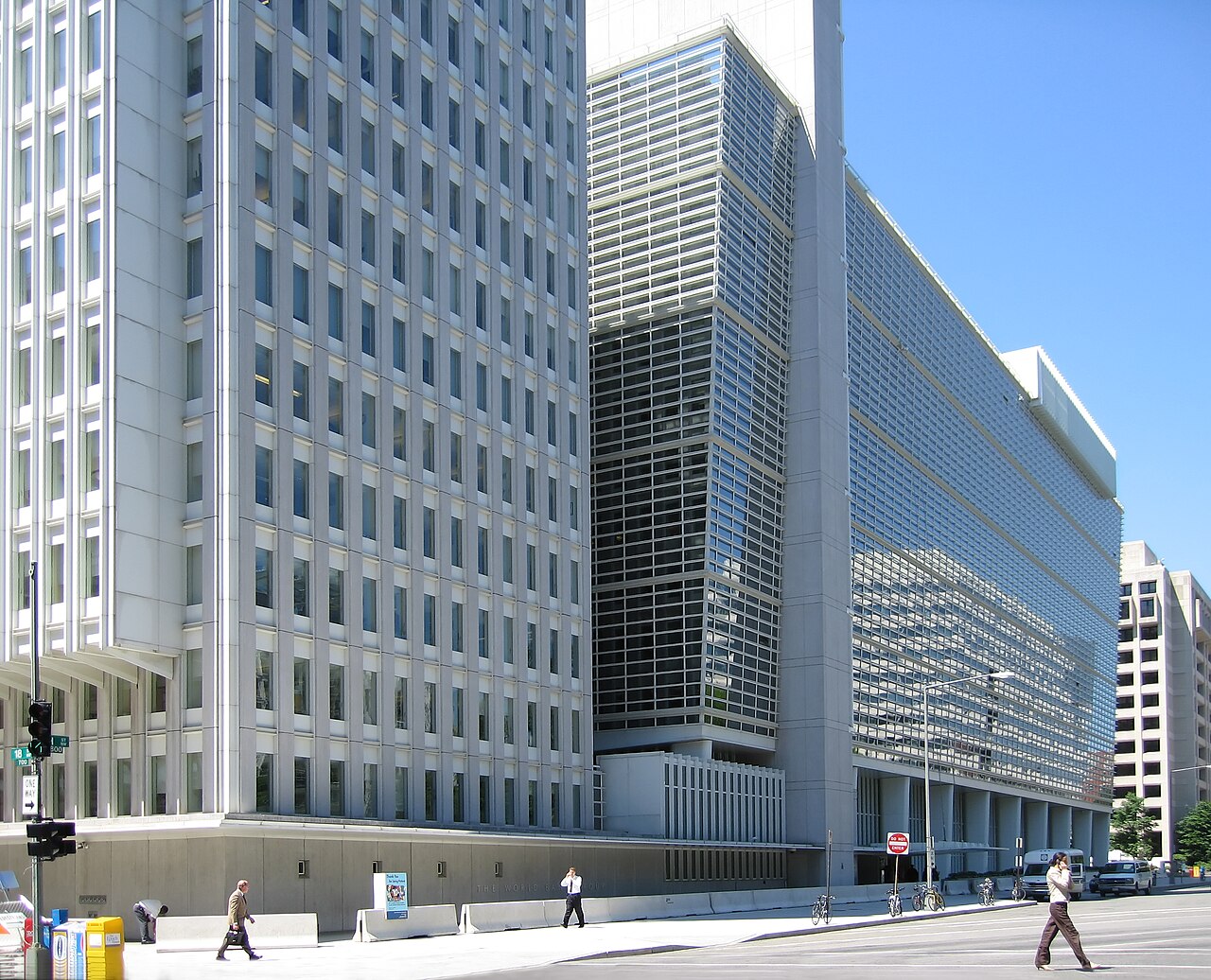
The bank’s board approved the financing in Washington on Friday, 6 November, according to Dhaka Tribune. BSS also reported the approval on Saturday, citing a World Bank announcement. The initiative, called Learning Enhancement and Acceleration in Primary Education, will support the government’s Fifth Primary Education Development Programme.
The central challenge is what children learn once they enter school. Bangladesh has brought primary schooling within reach of almost all children, but the bank says about half of the country’s 10-year-olds cannot read and understand a simple text suited to their age. That assessment underlines why enrolment alone cannot show whether a school system is preparing children for later study and work.
Under the programme, teachers will receive materials, structured lesson plans and training to strengthen foundational literacy and numeracy. Government primary school teachers will also receive support for delivering those lessons in classrooms. The plan includes improvements to pre-primary education so that younger children are better prepared when formal primary schooling begins.
For children already falling behind, the programme provides for remedial learning and supplementary instruction. The bank says districts with the largest learning gaps will receive particular attention. The reports do not identify those districts or set out when families can expect the extra lessons to start in individual schools.
School leadership is another part of the plan. Headteachers in 90 per cent of government primary schools are to receive leadership and management training. The programme also seeks to strengthen school management, improve accountability for budgets and make greater use of data when deciding where support is needed.
Jean Pesme, the World Bank’s director for Bangladesh and Bhutan, linked better primary education to children’s prospects of staying in school and finding better work later in life. His comments presented the financing as a way to build on earlier efforts to widen access, shifting attention towards the quality of learning.
Tashmina Rahman, the bank’s senior education specialist and programme team leader, said targeted remedial support would be accompanied by stronger teaching and school leadership. She also emphasised more accountable spending and the use of evidence to guide decisions, according to BSS.
The loan comes from the International Development Association, the World Bank Group arm that supports lower-income countries. It carries a 25-year term, including a five-year grace period. The approval is a financing decision; it does not mean all the money has already been disbursed or that the planned improvements have reached classrooms.
The next test will be implementation under the government’s primary education programme: getting teaching materials and training to schools, identifying children who need help and measuring whether they learn more. The reports do not provide a school-by-school timetable, a district allocation list or a detailed disbursement schedule. Those details will matter to parents and teachers judging when the announced support becomes available.