 ScrollBeat

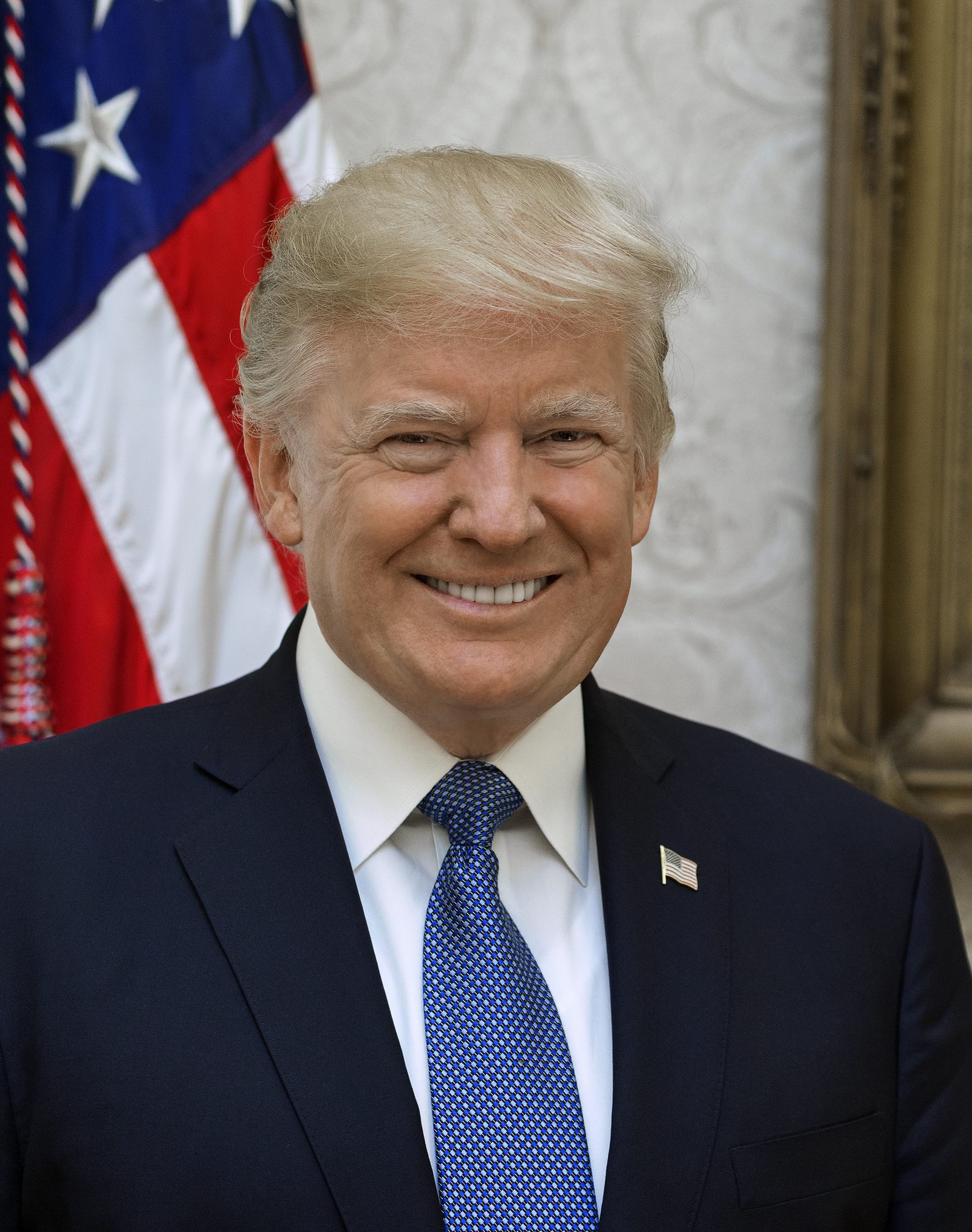
US President Donald Trump has warned that he could order further action against Iran, while Tehran says negotiations on ending the war and reopening the Strait of Hormuz depend on Washington meeting its conditions. The statements underline the distance between the two governments as diplomatic contacts continue.
Speaking to reporters in the Oval Office on Thursday, 5 November, President Trump said he did not want further destruction in Iran if it could be avoided, but suggested that more military action remained possible. Prothom Alo, citing Anadolu Agency, reported his remarks on Friday. He did not give a timetable or describe a specific operation.
The warning came alongside a separate diplomatic effort in Moscow. Iran’s top security official, Mohsen Rezaei, met Russian President Vladimir Putin on Thursday and delivered a letter from Supreme Leader Mojtaba Khamenei, according to Al Jazeera’s report, which drew on staff reporting and Reuters. The contents of the letter were not disclosed.
Rezaei said the discussions covered regional security after the war and Russia’s support for bringing the fighting to an end. He also said the two sides discussed energy cooperation, including a proposed gas pipeline from Russia to Iran. These were his descriptions of the meeting; Al Jazeera reported that the Kremlin had not immediately issued its own account.
The immediate obstacle remains the terms for direct diplomacy. Rezaei said Tehran had presented seven conditions to the United States and would not negotiate or reopen the Strait of Hormuz until those conditions were fulfilled. The Al Jazeera report did not set out all seven demands, leaving their exact wording and the scope for compromise unclear.
Efforts to reach a settlement have involved several connected disputes: access through the Strait of Hormuz, the US blockade of Iranian ports, sanctions and the future of Iran’s nuclear programme. Al Jazeera reported that Qatar was stepping up its diplomatic efforts. Iranian Foreign Minister Abbas Araghchi also held telephone conversations with counterparts across the region, according to Iranian state media cited in that report.
The United States and Israel began the war against Iran in February, according to Prothom Alo’s account. A final settlement has yet to emerge. Asked about reports of an Iranian proposal concerning its nuclear programme, President Trump stressed Washington’s authority over what could proceed, but did not outline an agreed negotiating process.
Iran’s leadership has meanwhile signalled that it will resist pressure. In a written statement on Wednesday, Supreme Leader Mojtaba Khamenei called for greater deterrence and rejected submission to the United States, Al Jazeera reported. Those positions help explain why diplomatic activity has not yet translated into an announced deal.
What happens next depends on whether the intermediaries can narrow those differences and whether either government changes its stated conditions. The reports reviewed for this article contain no confirmed date for new talks, no jointly accepted settlement and no detailed announcement of a new US operation. President Trump’s warning therefore remains a statement of possible action, rather than confirmation that an additional attack has begun.