 ScrollBeat

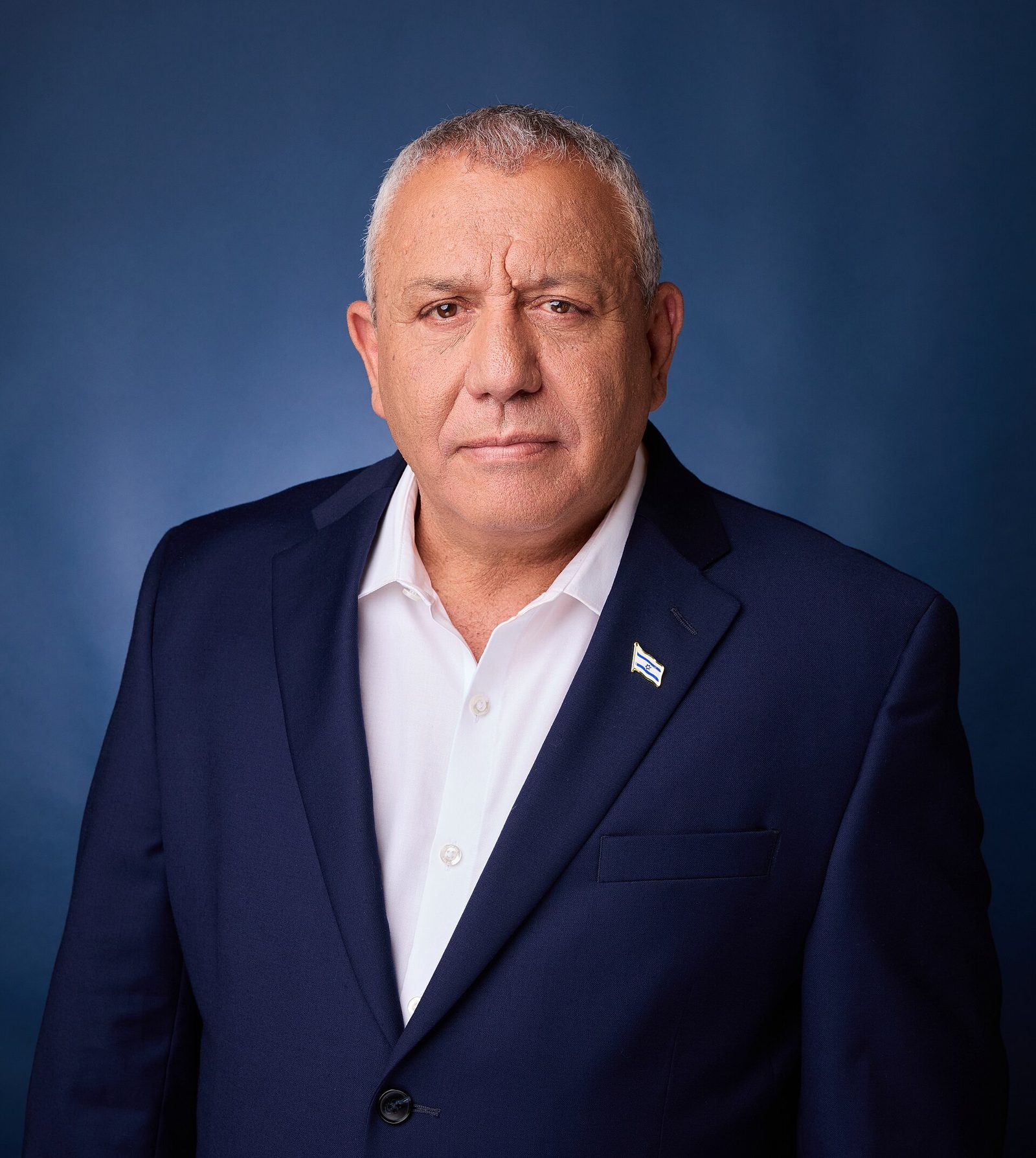
Israeli opposition leader Gadi Eisenkot has been chosen for the first attempt to form a new government after last week’s election left both his camp and Prime Minister Benjamin Netanyahu’s allies short of a parliamentary majority. The decision opens a period of coalition bargaining, with the composition of the next government still unresolved.
President Isaac Herzog decided to give Eisenkot the opportunity after consultations with political parties, BBC Bangla reported on Sunday, 8 November. Bangla Tribune, drawing on Al Jazeera’s reporting, also reported the mandate and said the newly elected Knesset is scheduled to be sworn in on 10 November.
Eisenkot, a former army chief, has an initial 28 days to assemble a government, with a possible extension of another 14 days. Receiving the mandate does not make him prime minister. He must still bring together enough parliamentary support for a government to win a confidence vote.
The election arithmetic explains the difficulty. According to BBC Bangla, Netanyahu’s Likud party and its far-right and ultra-Orthodox allies won 53 seats in the 120-member Knesset. Eisenkot’s centrist Yashar party and three other Jewish opposition parties together secured 48. Two Arab-led alliances, the United Arab List and Joint List, won the remaining 19 seats.
Those results leave neither main camp able to govern on its own. Support from Arab parties could therefore be decisive, but BBC Bangla reported that almost all Jewish parties had ruled out joining a coalition with them before the election. Whether those positions will change during negotiations remains uncertain.
The president’s office said Eisenkot received 67 recommendations for prime minister during consultations with representatives of the incoming parliament, compared with 46 for Netanyahu, according to BBC Bangla. Recommendations at this stage indicate whom parties want to receive the mandate; they do not establish that a final coalition agreement has been reached.
Eisenkot has called for a national emergency government. In a social-media statement reported by the BBC, he said he would work to meet that responsibility. Bangla Tribune reported that he had promised supporters a rapid effort to replace Netanyahu’s government, while noting that a minority administration or support from an ultra-Orthodox party could be possible routes.
Herzog has urged parties to recognise that forming a stable government and avoiding another election may require compromises over campaign commitments. The president has discretion to select the person considered best placed to build a coalition, rather than automatically choosing the leader of the largest party.
Israel has faced prolonged coalition deadlock before. BBC Bangla recalled the five elections held between 2019 and 2022 and the power-sharing agreement reached by Netanyahu and Benny Gantz in 2020. That history provides context for the present negotiations, but does not determine which parties will cooperate this time.
No completed coalition deal, agreed cabinet or policy programme was established in the reports reviewed. They also did not provide a fresh detailed response from Netanyahu to Herzog’s decision. The next developments to watch are the incoming parliament’s swearing-in and concrete agreements between parties as Eisenkot’s initial negotiating period begins.