 ScrollBeat

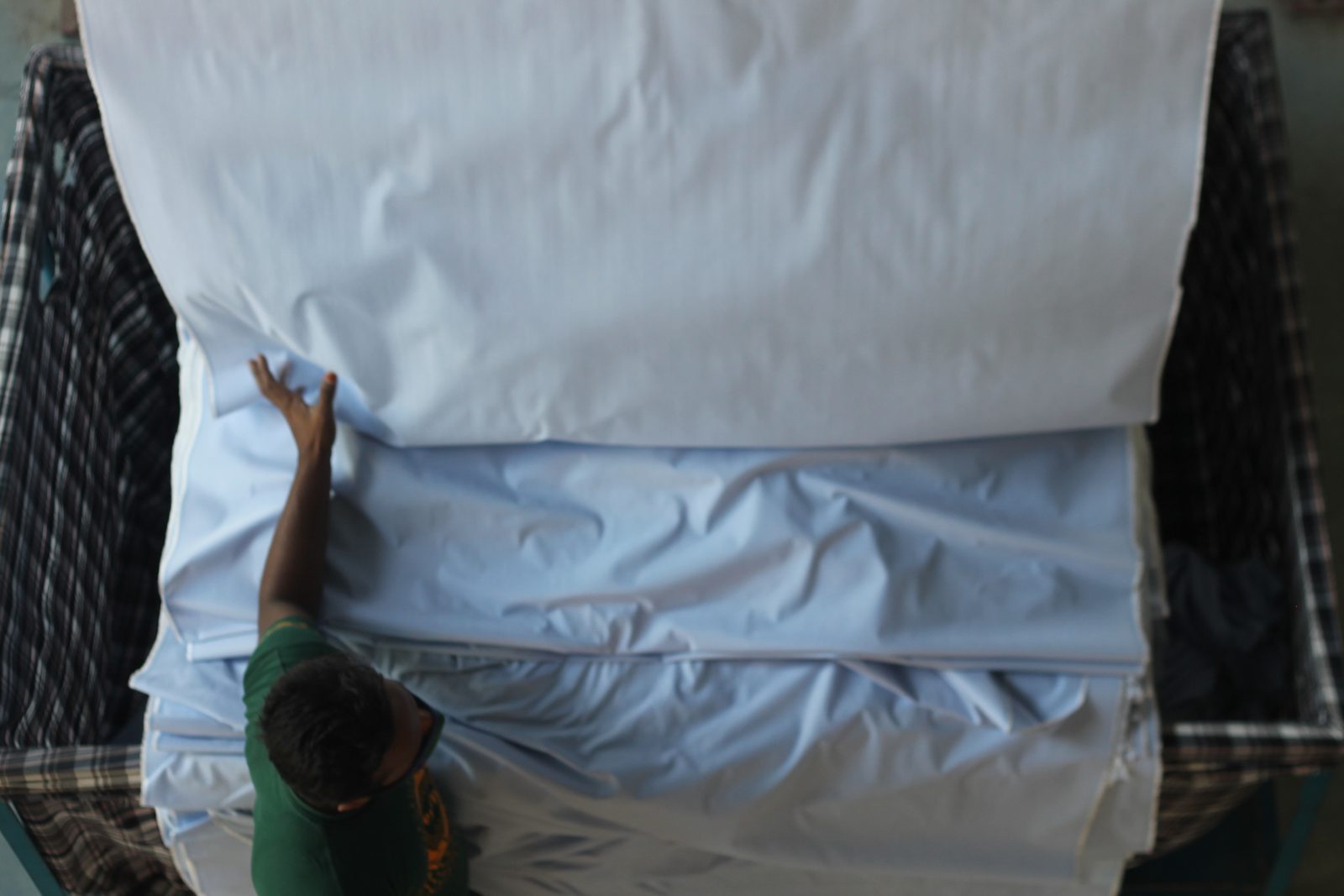
Garment workers blocked the Dhaka–Mymensingh highway in Gazipur on Wednesday, disrupting traffic in both directions as protests for higher wages continued in one of Bangladesh’s major manufacturing centres.
Workers from several factories gathered in the Chhaydana and Hariken areas of Gazipur city on 18 November. The blockade left commuters caught in long queues, while industrial police, local police and Border Guard Bangladesh personnel went to the area.
The reports reviewed differed on when the blockade began. Prothom Alo reported that police used tear gas and sound grenades at around 9:15am to disperse workers, who later gathered again in Hariken. Dhaka Tribune reported that police and border guards were engaging with workers to bring the situation under control.
Gazipur industrial police superintendent Amjad Hossain said efforts were under way to control the situation. He told Dhaka Tribune that 10 factories had declared a holiday on Wednesday and 39 had been closed indefinitely, based on reports received on Tuesday. Those figures describe different arrangements; they do not mean that 49 factories were newly closed on Wednesday.
Workers have been seeking a higher minimum wage for several days. Prothom Alo reported that protesters were demanding a minimum of Tk30,000 a month alongside other demands. That figure is a demand, not an announced settlement or a new statutory wage.
The demonstrations have spread across several Gazipur industrial areas. On Tuesday, workers protested in places including Konabari, Chhaydana, Bhogra and parts of Sreepur. Dhaka Tribune reported that clashes that day involved brick-throwing, tear gas and sound grenades, and that workers, police and journalists were among those injured. It did not give a verified total.
There were also protests away from the highway on Wednesday. Dhaka Tribune reported sit-ins at three factories in Sreepur and other areas, while workers from two factories in Konabari demonstrated without blocking the highway.
The security response extends beyond Gazipur. Border Guard Bangladesh’s media wing said 44 platoons had been deployed in industrial areas across Dhaka, Gazipur, Narayanganj and Mymensingh to assist the civil administration, according to Dhaka Tribune. The force said 15 platoons were in Gazipur and that it was coordinating with local authorities and police.
The closures and interruptions put pressure on workers who need regular pay as well as on factories trying to maintain production. The reports do not establish how every affected worker will be paid during an indefinite closure, when the closed factories will reopen, or whether all sections of the highway have since reopened.
For workers, the immediate questions are whether traffic will remain open, when factories will resume production and whether employers and worker representatives can reach agreement on pay. Neither report gives a reopening timetable or announces a settlement.